ForGood, Inc. A 2009 501(c)(3) Public Charity - ForGood Cares

THE HIDDEN COSTS AND CHALLENGES OF BIRTH DEFECT DISABILITIES
The Ripple Effect on Mothers and Families
When a child is born with a birth defect, the entire family is impacted. The adjustment is often difficult, and without adequate financial support, families risk being torn apart by the strain. Families with birth defect disabled children face three major challenges beyond those faced by other families:
- Ongoing and extraordinary expenses
- Housing, heating, clothing, equipment, and specialized items
- Costs are three times higher than for families with non-disabled children
- Psychological and emotional stress
- Constant caregiving demands
- Emotional fatigue and mental health strain
- Barriers to employment
- Reduced ability to work due to caregiving responsibilities
- Limited access to flexible or remote jobs
These challenges increase the risk of poverty, with many families forced to make heartbreaking sacrifices—some even losing their homes to cover medical costs.
Housing and Systemic Gaps
- Three-quarters of families with disabled children live in unsuitable housing
- Many are at risk of homelessness
- The benefits system fails to account for the extraordinary costs these families face.
FG Cares advocates for a reformed benefits system that recognizes the true cost of raising a child with birth defect disabilities and provides targeted financial support to keep families together and thriving.
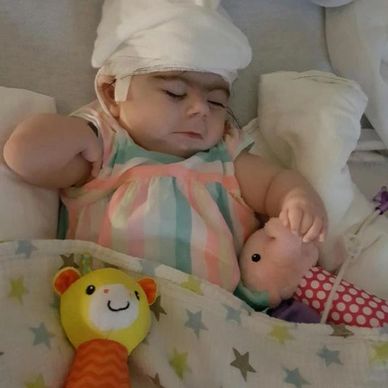
PUBLIC HEALTH IMPACT OF BIRTH DEFECT DISABILITIES
According to the Florida Birth Defects Registry (FBDR), a baby is born with a birth defect every five minutes. These are major structural conditions present at birth that can significantly affect a child’s health, development, and functional ability.
- Birth defects are a leading cause of infant mortality, responsible for 1 in every 5 deaths in children under one year of age.
- The effects range from mild to severe, often resulting in debilitating illness, long-term disability, or death.
- Congenital heart defects are the most common and lead to the highest number of hospitalizations.
Thanks to advances in medical care, more children born with disabilities are living longer. This calls for a life-course approach—planning across the lifespan to:
- Address long-term health needs
- Support families and caregivers
- Remove barriers to inclusion and access
However, the causes of most birth defects remain unknown, making prevention difficult and support systems even more critical.
FG Cares: Bridging the Gap FG Cares recognizes that low-income families raising children with birth defects face extraordinary financial and emotional burdens. Many of these costs—such as medical equipment, housing adaptations, and transportation—are not covered by government programs. We advocate for:
- Targeted financial assistance to cover essential needs like food, rent, baby supplies, and medical care
- Policy reform to acknowledge and address the true cost of disability
- Community support networks to help families stay together and thrive.

POVERTY STRUGGLES OF LOW-INCOME FAMILIES
While there is no single definition of poverty, it is commonly understood as an inadequate standard of living that prevents families and children from fully participating in society. Poverty includes a lack of essential tangible resources—such as food, clothing, shelter, and income—as well as intangible resources, or “human and social capital,” including education, employment opportunities, life skills, and social networks.
Low-income families face numerous daily challenges, many of which stem from structural barriers in society. These include:
- Persistent poverty or near-poverty conditions
- Limited access to social services
- Unmet needs for basic goods like food, clothing, shelter, and healthcare.
For families raising children with birth defect disabilities, these challenges are magnified. The extraordinary costs of care not covered by government programs—can include:
· Medical supplies and equipment
· Rent and housing adaptations
· Transportation and car payments
· Baby clothes and specialized nutrition.
A Call to Action
FG Cares believes that every child deserves a chance, and every family deserves support. We work to ensure that low-income, poverty-level mothers and families of children with birth defects and disabilities become beneficiaries of desperately needed funds to cover these extraordinary costs. These families are often overlooked by existing benefits systems, which fail to recognize the true financial burden they carry. By providing targeted financial assistance and advocating for systemic change, FG Cares helps keep families together, healthy, and hopeful.